
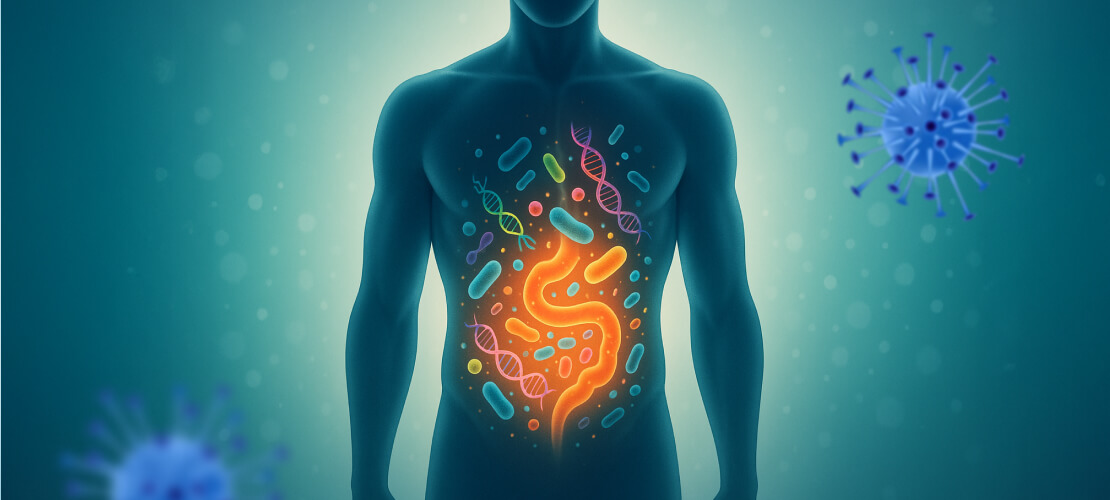
Your gut microbiome consists of trillions of bacteria living in your digestive tract. Its work is not limited to helping you digest food. It also affects your immune system, skin health, mood, and even your body weight. If you have been experiencing bloating, sudden weight gain, or unexpected weight loss, your gut bacteria may be contributing more than you think.
In this guide, we’ll explore how an unhealthy gut microbiome can influence weight fluctuations, what the science says about gut bacteria and obesity, and how to restore the gut for better metabolism and sustainable weight management.
How Your Gut Microbiome Affects Your Weight
1. An Unbalanced Gut Slows Metabolism
Your gut bacteria help break down food and extract energy. When harmful bacteria take over, they can extract more calories from your meals and slow down digestion which leads to bloating and fat storage, disrupt hunger hormones, and make you crave more food.
Solution: To support gut health weight loss, focus on eating more fibre-rich foods such as vegetables and whole grains. These feed the good bacteria and promote a healthier metabolism.
2. Gut Inflammation Can Lead to Fat Storage
A leaky gut, also known as intestinal permeability, allows toxins to enter the bloodstream. This triggers chronic inflammation, a major factor behind sudden weight gain, especially around the belly.Solution: The link between leaky gut and weight gain is strong, so reducing processed foods and sugar while adding anti-inflammatory options like turmeric, ginger, and omega-3s to your diet can make a difference.
3. Harmful Bacteria Can Increase Sugar Cravings
Bad gut bacteria thrive on sugar and can send signals to your brain to make you want more, creating a vicious cycle that contributes to weight gain. This connection between gut bacteria and obesity shows how important it is to manage your gut health.
Solution: Cutting back on refined sugars and artificial sweeteners, along with eating probiotic foods like yogurt and kefir, can help reduce these cravings.
4. Gut Imbalance Disrupts Appetite Hormones
Your gut produces important hormones such as leptin and ghrelin, which control hunger and fullness. An unhealthy microbiome can increase ghrelin, the hunger hormone, and decrease leptin, the fullness hormone, leading to overeating.
Solution: Consuming enough protein and healthy fats can help stabilise these hunger signals and prevent overindulgence.
5. SIBO Can Cause Bloating and Weight Fluctuations
Small Intestinal Bacterial Overgrowth (SIBO) can cause severe bloating, making you feel heavier even without actual fat gain. Small Intestinal Bacterial Overgrowth (SIBO) is a condition where bacteria build up in the small intestine which cause bloating, making you feel heavier even without actual fat gain. Symptoms of SIBO include chronic bloating, nutrient malabsorption and inconsistent weight gain or loss.
Solution: Consider a low-FODMAP diet under medical supervision. Bione’s gut microbiome test can help detect SIBO-related imbalances early.
How to Fix Your Gut for Healthy Weight Management
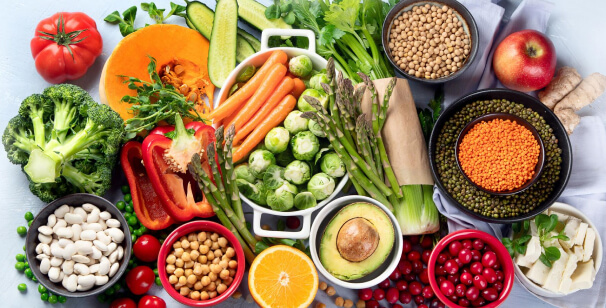
- Eat More Probiotic and Prebiotic Foods: Foods that are probiotic-rich, such as yogurt, kefir, and kimchi, help repopulate the good gut bacteria. Prebiotic foods, which are high in fibre, feed these good bacteria and help them thrive. The best sources include garlic, onions, bananas, and asparagus.
- Reduce Sugar and Processed Foods: Excess consumption of sugar feeds harmful bacteria, making gut imbalance worse and contributing to sudden weight gain. Limiting sugary substances and processed foods can help restore a healthy gut environment.
- Manage Stress and Improve Sleep: Chronic stress can harm your gut bacteria and trigger fat storage. Getting enough rest and finding ways to relax or calm yourself can improve both gut health and weight control.
- Stay Hydrated: Drinking a good amount of water supports digestion, helps nutrients absorb better, and flushes out toxins from the body.
- Consider a Probiotic Supplement: If it seems like your diet alone is not enough to restore balance, a high-quality probiotic supplement and a personalised wellness program can be a helpful addition to your routine to support gut health.
Final Thoughts
If you have been struggling with unexplained fluctuations in weight, your gut microbiome could be the hidden cause behind it. Your microbiome controls how you digest, absorb, and metabolize food. When it’s out of balance, your entire system can be affected.
By improving your diet, managing stress, and restoring microbial diversity, you can reset your metabolism, reduce cravings, and support long-term weight control.
Not sure where to start? Learn how to test your gut microbiome at home and take the first step toward understanding your body from within.
FAQs

Dr. Surendra K Chikara
Founder & CEO, Bione
World-renowned genomicist with 20+ years of pioneering experience in genetics and microbiome science.