Menu
Your Cart Items
Your Cart is empty
Begin TodaySelect Delivery Address
Select Delivery Address
BLOG
How to Combat Protein Deficiency in Children?
Madan Mohan
July 11, 2024
Key Takeaways
Protein Deficiency Signs: Look for slow growth, weak immunity, fatigue, and poor concentration.
Protein-Rich Foods: Include eggs, paneer, beans, tofu, and nuts in meals.
Daily Protein Needs: Vary by age, from 11g for toddlers to 52g for teen boys.
Creative Meal Ideas: Protein pancakes, sandwiches, and homemade pizza are fun and healthy.
Engage Kids: Use tricks like fun shapes, colorful foods, and themes to encourage eating.
For kids, ‘healthy’ often means ‘yucky’. It is a constant challenge for parents to feed their tiny tots foods that aren’t candies or empty calories.
Growing kids need the utmost care and consideration regarding their diet. With a plethora of nutrients, parents always find it challenging to feed their kids protein-rich foods.
Proteins are the primary macronutrient responsible for a kid’s structured growth and development. They play a significant role in forming muscles, repairing tissues, and generally good health. Protein deficiency in children is widespread among kids, particularly in developing countries.
Let’s go through the recommended protein intake for kids by their age:
| Age group | Daily protein recommendation |
|---|---|
| 6-12 months | 11 g |
| 3-4 years (toddlers) | 13 g |
| 4-8 years | 19 g |
| 9-13 years | 34 g |
| 14-18 years | 46 g (females); 52 g (males) |
Unsure of whether your child has protein deficiency?
Protein Deficiency Symptoms

- Slow Growth Rate
- Weak Immunity System
- Slow Wound Healing
- Fatigue
- Poor Concentration
- Lack Of Stamina
- Joint Pains
- Restlessness In Legs
- Hunger
Protein Deficiency Disorders
Kwashiorkor
Symptoms: Swelling of the legs and abdomen, an enlarged liver, thinning hair, loss of teeth, skin depigmentation, and irritability.
Causes: Often occurs when a child is weaned off breast milk and given a diet high in carbohydrates but low in protein.
Marasmus
Symptoms: Severe loss of muscle mass, thin appearance, weak immune system, and stunted growth.
Causes: A general lack of calories and protein in the diet.
Growth Retardation
Symptoms: Shorter stature, delayed physical development, and potential cognitive impairments.
Weakened Immune System
Symptoms: Frequent infections, slower recovery from illness, and overall poor health.
Edema
Symptoms: Swelling, particularly in the legs and feet, but also possible in the hands and face.
We didn’t mean to scare anyone, but knowledge is always power, isn’t it?
Now, let’s get down to the main business and share some tips and tricks you can play to up your child’s protein intake.
Firstly, know your friends! We are talking about protein-rich food for kids.
| Food | Serving Size | Protein Content (Approx.) |
|---|---|---|
| Paneer | 50g | 10g |
| Eggs | 1 Large egg | 6g |
| Fish (Salmon, Tuna, Cod) | 100g | 20-25g |
| Yogurt | 150g | 6g |
| Milk (Cow’s Milk) | 1 cup (240ml) | 8g |
| Cheese (Cheddar, Mozzarella) | 30g | 7g |
| Tofu | 100g | 8g |
| Beans and Legumes | 1 Cup (cooked) | 12-17g |
| Kidney Beans (Rajma) | 1 cup (cooked) | 15g |
| Moong Dal (Split Green Gram) | 1 cup (cooked) | 14g |
| Chana Dal (Split Chickpea) | 1 cup (cooked) | 17g |
| Quinoa | 1 cup (cooked) | 8g |
| Nuts and Seeds | 30g | 6-8g |
| Almonds | 30g | 6g |
| Pumpkin Seeds | 30g | 8g |
| Peanut Butter | 2 tablespoons | 8g |
| Whole Grains | 1 cup (cooked) | 4-5g |
| Brown Rice | 1 cup (cooked) | 5g |
| Kidney Beans (Rajma) | 1 cup (cooked) | 15g |
| Moong Dal (Split Green Gram) | 1 cup (cooked) | 14g |
| Chana Dal (Split Chickpea) | 1 cup (cooked) | 17g |
| Quinoa | 1 cup (cooked) | 8g |
| Nuts and Seeds | 30g | 6-8g |
| Almonds | 30g | 6g |
| Pumpkin Seeds | 30g | 8g |
| Peanut Butter | 2 tablespoons | 8g |
| Whole Grains | 1 cup (cooked) | 5g |
| Whole Wheat Bread | 2 slices | 7g |
Using this chart as a reference, you can choose items to create yummy dishes to lure your munchkins and trick them into eating healthy food. You can also identify which protein is more suitable and needed depending on your food choices. Plant vs animal protein all contain different ingredients so firstly you must determine and choose your proteins wisely.
Here’s how:
Tip No. 1
Spread these protein-rich items/dishes throughout the day instead of one heavy meal.
For example:
Protein Pancakes (Chilla)
You can use lentils, oats, gram flour, barley, jowar, and other protein-rich ingredients to make these fluffy, healthy pancakes that are yummy to taste and a nutritious breakfast or snack dish.
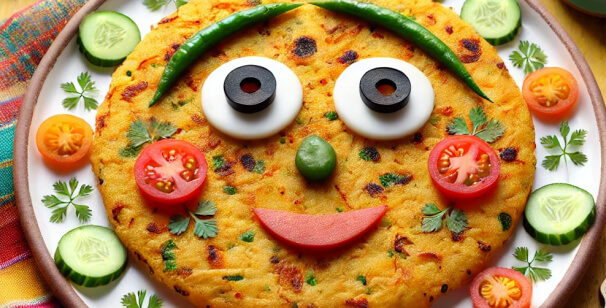
Trick: You can also use cute-shaped cutters for shape and veggies and fruits for garnishing.
Tip No. 2
Choose sectioned plates and lunchboxes to add small portions of healthy foods paired with your kid’s favorite candies or snacks.
For example:
- You can pair cheese cubes or sticks with their favorite fruits, crackers, and a bonus section of candies.
- Another way is to add a hummus section with celery sticks or whole wheat bread.
- If your child eats meat, add 2-3 slices of cold cuts or boneless chicken pieces cooked the way they like paired with hummus chutney.
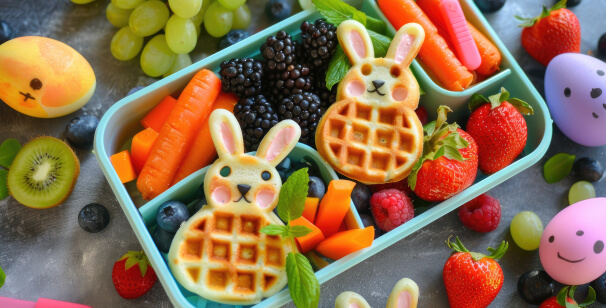
Trick: Use optical illusion techniques, such as adding colorful foods to the plate that engage your kid’s interest, and always keep a favorite snack for motivation.
Tip No. 3
Try making their favorite junk food at home for healthier options.
For example:
- Try cooking pizza at home with a whole wheat base. Add colorful veggies and protein of your choice, like cottage cheese, tofu, meat, chicken, or fish, whatever your kid eats.
- Burgers cooked at home are the healthiest substitute for junk food cravings. You can use minced meat, soy tofu, or whatever is handy to cook healthy patties. Try the grill or air fry instead of deep fry.
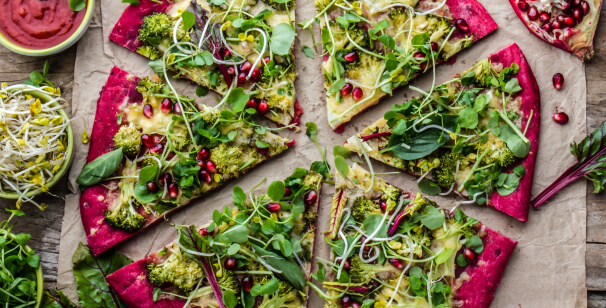
Trick: Disguise healthy food as junk food to avoid conflict and encourage healthy eating.
Tip No. 4
Try healthy, protein-rich desserts if your child has a sweet tooth.
For example:
You can try fruit and yogurt popsicles. Layer yogurt with fruits and sprinkle granola on top. Freeze it in your popsicle molds for healthy snacking.
Another healthy dessert idea is making puddings using nuts, seeds, yogurts, and fruits. You can also add a dash of peanut butter and use the overnight oat to make these.
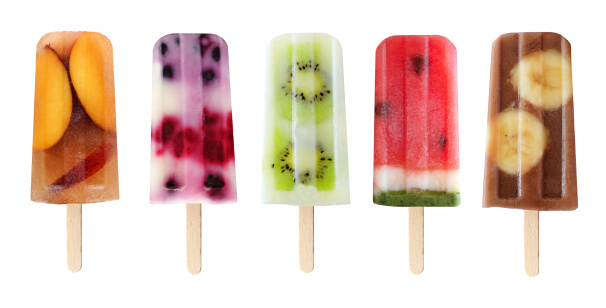
Trick: Always focus on garnishing and presenting the food to intrigue your kids and reduce chances of immediate rejection
Tip No. 5
Sandwiches are finger foods, and almost all kids love them! There are many ways you can make these finger bites healthy and protein-rich.
For example:
- For your fillings, use eggs, soy, tofu, cottage cheese, chicken, fish, or whatever form of protein your child likes.
- Use healthy breads such as multigrain, sourdough, whole wheat, rye, banana, seed, etc.
- Concentrate on your spreads. Instead of mayonnaise and other sauces, try using hummus as a spread. You can also opt for Greek yogurt spreads, tahini, nut butter, and sunflower seed butter. You can also try making your spreads by mashing avocado with beans and flavor for a creamy spread.
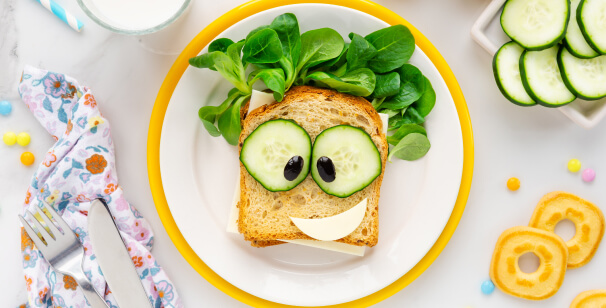
Trick: You can use cutters to cut different shapes of the sandwich. Add healthy plant-based food colors to your filling, and try theme-based sandwiches. Add chips, fries, or their favorite snacks as an incentive for sides.
The Bottom Line
With kids, its always a hit and try method. Keep trying various dishes and add a variety as kids are easily bored and loose interest. While feeding your kids keep their minds engaged and distracted from the meal. Another trick is to encourage friendly and funny conversation at meal time. This encourages bonding between parents and also your child will finish their meal without realising it.
Remember “Parenting is the easiest thing in the world to have an opinion about, but the hardest thing in the world to do.”
The trick is to enjoy with your kids before they outgrow this stage
Happy Parenting!!!
FAQs
Symptoms of protein deficiency in children can include poor growth, frequent infections, muscle weakness, fatigue, thinning hair, delayed wound healing, and irritability. Ensuring a balanced diet with adequate protein is essential for healthy development.
Yes, protein deficiency can significantly impact your child’s growth, leading to stunted growth, muscle weakness, and developmental delays. Adequate protein intake is crucial for proper physical and cognitive development.
Ensure your child gets enough protein by including a variety of protein-rich foods in their diet, such as lean meats, fish, eggs, dairy products, beans, lentils, nuts, and seeds. Incorporate these into meals and snacks to help meet their daily protein needs.