



Do you ever get the feeling that your hormones are constantly out of balance? Mood swings, bloating, unexplained weight gain, and irregular periods can be physically and mentally exhausting. These symptoms are often labeled as “hormonal issues,” but emerging science shows the root cause may begin much earlier in the system.
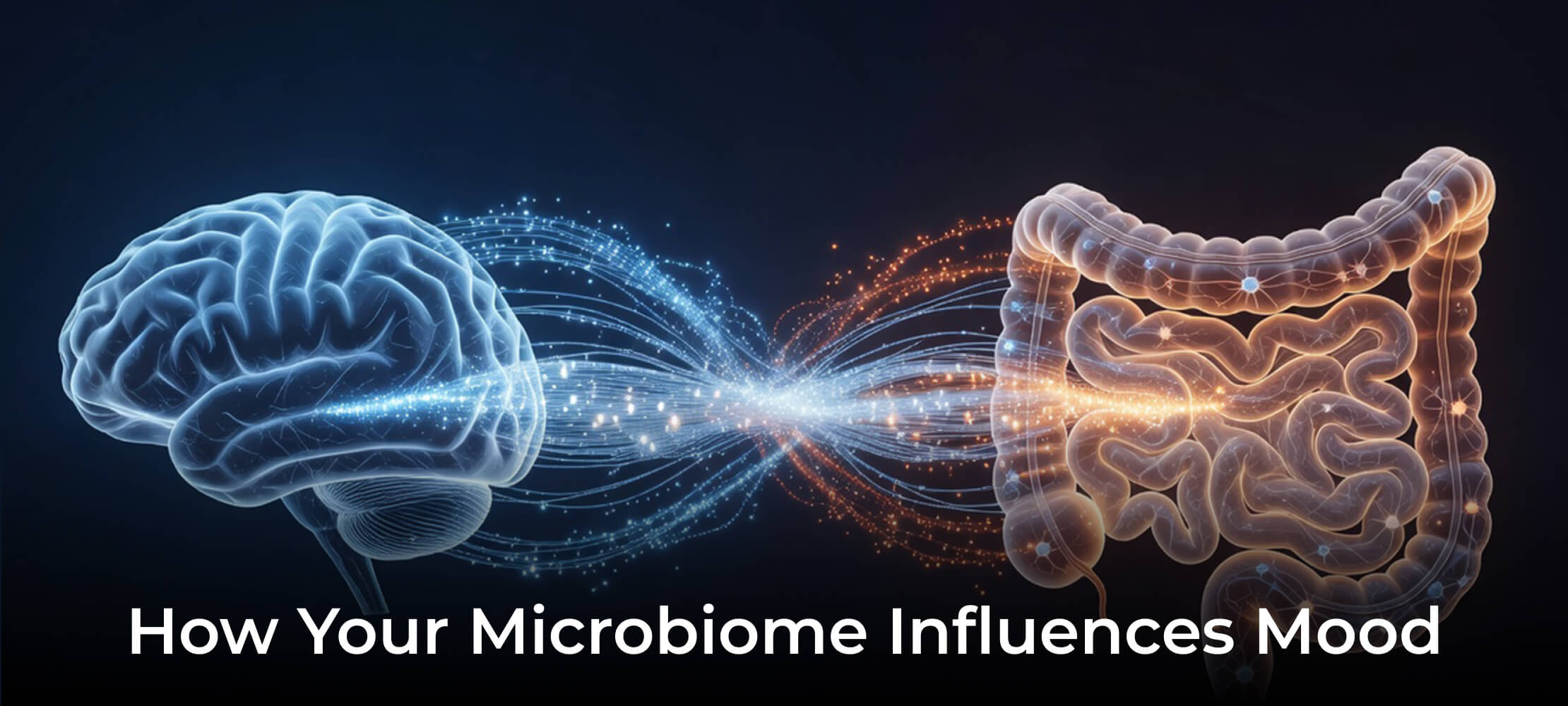
Recent studies show that your gut plays a central role in hormone regulation. This connection is known as the gut-hormone axis. Inside your digestive system live trillions of tiny bacteria that do much more than just aid in food digestion. They actively communicate with your hormones and influence how they are produced, processed, and eliminated from the body, basically regulating the entire hormonal landscape. One of the most reliable ways to understand this connection at an individual level is through a gut microbiome test, which reveals how your unique gut ecosystem is functioning.
As science continues to evolve, we are slowly discovering that gut health and hormonal health are deeply interconnected, particularly for women. A balanced gut microbiome supports smoother menstrual cycles, emotional stability, and metabolic health. When the gut microbiome is out of balance, hormonal symptoms can become louder and much harder to manage.
What is the Gut-Hormone Axis?
- Gut Bacteria and Hormones: Certain bacteria in your gut help in the breakdown and processing of hormones like estrogen. If these bacteria get out of balance, hormones can build up or get eliminated too quickly. outnumber beneficial ones.
- Inflammation and the Immune System: When your gut is inflamed, it can trigger inflammation throughout the body. This ongoing inflammation can interfere with normal hormone production and regulation.
- The Gut Brain Connection: Your gut is connected to your brain through the vagus nerve. Signals sent from the gut can influence brain activity, which in turn affects the release of hormones related to stress, mood, and sleep.
- Chemical Messengers from Gut Bacteria: Gut bacteria produce small chemical compounds that can act like hormones or block their effects. These messengers can influence appetite, metabolism, and emotional balance.
This gut hormone connection is not just another theory. It is an actual biological process that affects your menstrual cycle, mood, energy levels, metabolism, and long-term health. Understanding this link is a key step toward better hormonal balance.
How Does the Gut Microbiome Influence Women’s Hormonal Health?
1. Estrogen Metabolism and The Estrobolome
- Estrogen is properly broken down and eliminated.
- You maintain optimal estrogen levels.
- Risk of both estrogen deficiency and estrogen dominance.
2. Progesterone Production Support
- Reducing inflammation, allowing the ovaries to function normally.
- Keeping stress hormones like cortisol in check so they do not interfere with progesterone production.
- Improving the absorption of key nutrients required for hormone production.
3. Thyroid Function Regulation
4. Stress Hormone Modulation
The Gut's Role in Specific Women's Health Conditions
PCOS (Polycystic Ovary Syndrome
- Gut imbalance is common in women with PCOS.
- Increased gut permeability can lead to chronic inflammation.
- This inflammation can worsen insulin resistance.
- Specific bacterial imbalances are linked to higher testosterone levels.
- Gut inflammation and hormonal imbalance can create a cycle that makes PCOS symptoms harder to manage.
PMS and PMDD
- Women with severe PMS often show a different composition of gut bacteria.
- Inflammation caused by poor gut health can increase prostaglandin production, which contributes to pain and cramping.
- Serotonin production in the gut, nearly 90 percent of which occurs there, plays a major role in mood swings and emotional changes.
- Specific bacterial imbalances are linked to higher testosterone levels.
- Gut inflammation and hormonal imbalance can create a cycle that makes PCOS symptoms harder to manage.
Perimenopause and Menopause
As women move into perimenopause and menopause, the ovaries produce less estrogen. This makes gut health even more important for maintaining hormonal balance.
- Gut bacteria help convert certain plant compounds into phytoestrogens that support estrogen levels.
- Gut health influences weight management during metabolic changes.
- Poor gut health can worsen weight gain, bloating, and low energy.
How to Support Your Gut for Hormonal Balance
Foods for a Hormone-Friendly Gut
- Cruciferous vegetables: Broccoli, cauliflower, and kale help your body process and detoxify estrogen
- Flaxseeds: Contain lignans that help regulate estrogen activity
- Fermented foods: Kimchi, sauerkraut, and yogurt provide probiotics to support good gut bacteria
- Bone broth: Supplies collagen and amino acids that heals and repair the gut lining
- Colorful fruits and vegetables: Polyphenols present in a variety of plants feed good bacteria
Foods for a Hormone-Friendly Gut
- Manage stress: High cortisol can weaken the gut lining
- Prioritise sleep: Gut bacteria follow daily rhythms, so good sleep is required to support balance
- Stay active: Exercise encourages a more diverse microbiome
- Reduce toxins: Avoid endocrine disruptors that can harm both gut and hormones
Targeted Supplements
- Probiotics: Strains like Lactobacillus acidophilus may support estrogen metabolism
- Prebiotics: Fiber supplements feed beneficial gut bacteria
- L-Glutamine: Helps maintain the integrity of the gut lining
- Omega-3 fatty acids: Reduce inflammation in the gut and throughout the body
Conclusion
A gut microbiome test provides clarity by revealing how your gut bacteria influence estrogen, progesterone, thyroid hormones, and stress response. Instead of managing symptoms, you gain the ability to correct the underlying imbalance.
If hormonal issues feel persistent or confusing, the most logical starting point is the gut. Because restoring gut balance is often the missing step in restoring hormonal health.
FAQs
Conditions such as leaky gut (increased intestinal permeability), SIBO, candida overgrowth, and overall gut dysbiosis can all lead to chronic inflammation. This inflammation then interferes with hormone production, metabolism, and proper hormone communication in the body.