
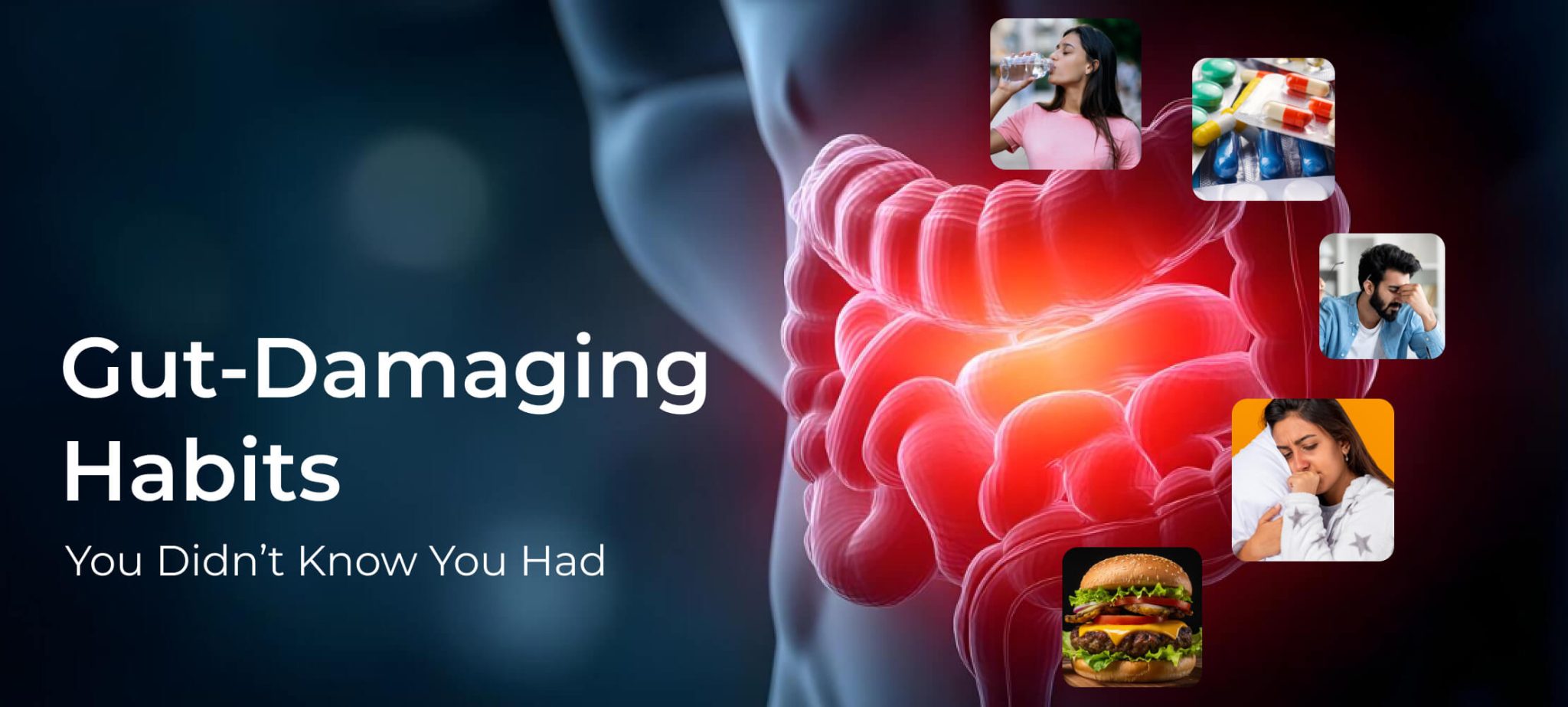
Almost all of us are aware that food plays a huge role in gut health. But digestive health is not affected by diet alone. The way you sleep, handle stress, move your body, use of medication, hydration, and daily routines all shape the balance of microorganisms living in your intestines.
From late-night scrolling to your third cup of coffee, many of these gut-damaging habits feel normal because they have become part of your daily routine. Yet they are some of the most common habits that harm gut health and contribute to long-term digestive issues.
Let's take a look at the biggest gut health mistakes you may not even realise you are making and how you can turn things around.
1. Overusing Antibiotics and Certain Medications
Antibiotics are designed to kill harmful bacteria, however, they do not selectively eliminate only harmful bacteria. They also reduce beneficial gut microbes that support digestion, immune regulation, and nutrient synthesis.
Repeated or unnecessary antibiotic use may:
- Reduce microbial diversity
- Increase the risk of diarrhea
- Encourage yeast overgrowth
- Disrupt immune balance
Frequent use of NSAIDs and certain other medications can also irritate the gut lining and increase intestinal permeability.
2. Living in Chronic Stress Mode
The gut and brain communicate constantly through the gut-brain axis. Emotional stress directly affects digestive function. If you have ever felt nervous and experienced stomach “butterflies” or discomfort, you have already seen this link in action.
Chronic stress can:
- Slow or speed up gut motility
- Trigger bloating and IBS symptoms
- Reduce digestive enzyme production
- Weaken the gut barrier
- Shift the microbiome toward inflammatory patterns
When stress becomes constant, your gut remains in a defensive mode instead of a healing state. Stress is not just emotional. It creates physical strain on your gut.
3. Poor Sleep Habits
Sleep regulates circadian rhythms that influence digestion, metabolism, and microbial balance.
Inadequate or irregular sleep may:
- Disrupt gut bacterial rhythms
- Increase inflammation
- Alter hunger hormones such as ghrelin and leptin
- Weaken immune function
Even with a balanced diet, persistent sleep deprivation can impair microbiome health.
4. High Intake of Sugar and Ultra-Processed Foods
Sugar does not just feed your cravings, it feeds harmful bacteria and yeast living in the gut.
A diet high in processed foods and added sugars may:
- Decrease microbial diversity
- Increase inflammation
- Promote dysbiosis
- Weaken the gut barrier
This is commonly observed in modern diets and is one of the most frequent gut health mistakes.
5. Regular Alcohol Consumption
Alcohol does more than affect the liver. It also impacts the intestinal barrier and microbial composition.
Excessive or frequent alcohol intake can:
- Damage the gut lining.
- Increase intestinal permeability.
- Promote inflammatory bacteria toward harmful strains.
- Increase digestive sensitivity.
Reducing alcohol intake supports microbial balance and gut integrity.
6. Lack of Dietary Diversity
Your gut bacteria enjoy and thrive on variety. When you eat the same foods daily, you limit the variety of fibers and nutrients your beneficial microbes need to thrive. Less food diversity means limited good gut bacteria growth which reduces resilience against infections.
Aim to include a wide range of fruits, vegetables, legumes, whole grains, nuts, and seeds throughout the week.
7. Skipping Prebiotics in Your Diet
Prebiotics are special fibers that feed your good gut bacteria. Even if you consume probiotics, they may struggle to survive or colonise without prebiotic support. Natural prebiotic-rich foods include garlic, onions, leeks, bananas, and oats that help nourish beneficial gut microbes.
You can think of probiotics as seeds and prebiotics as the water and sunlight they need to grow.
8. Sedentary Lifestyle
A lifestyle with very little movement slows not just your metabolism but also your digestion.
Regular movement helps:
- Stimulate bowel movements
- Improve blood circulation to digestive organs
- Reduce constipation and bloating
- Support metabolic health
Sitting all day can lead to sluggish digestion. Even a light daily walk can make a noticeable difference to your gut health.
9. Not Drinking Enough Water
Pushing through bloating, gas, or discomfort after eating certain foods can cause ongoing inflammation.
It supports the functioning of digestive enzymes, protects the gut lining, and helps fiber move smoothly through the intestines. Even mild dehydration can slow digestion and lead to constipation. Your gut needs water just as much as the rest of your body.
10. Ignoring Food Sensitivities
Water is not just for relieving thirst. It plays a key role in digestion.
Repeatedly consuming foods that trigger symptoms may damage the gut lining and activate the immune system. Listening to your body’s signals is one of the most important steps in protecting gut health.
How to Break Gut-Damaging Habits
Small, consistent changes can help reverse many habits that are harming your gut health:
- Eat mindfully and have regular meals at fixed times, focusing mostly on whole foods
- Move your body daily, even a short light walk helps
- Manage stress with breathing techniques, meditation, or gentle yoga
- Sleep 7 to 9 hours and follow a calming, peaceful bedtime routine
- Drink enough water throughout the day. Aim for 2 to 3 liters daily
- Use medications only when necessary and support your gut afterward
- Reduce alcohol and excess sugar intake
- Avoid over-sanitizing and spend time outdoors
Your gut constantly responds to how you live. Treating it with care today can prevent many digestive problems tomorrow.
Conclusion
Your gut is strong and adaptable, but it cannot handle constant stress from unhealthy habits forever. By identifying patterns and changing these hidden patterns that harm gut health, you create a strong foundation for better digestion, immunity, and overall wellbeing.
Consistent daily habits determine the strength of your microbiome. Protecting it today reduces the risk of chronic digestive and inflammatory conditions tomorrow.
Disclaimer: This content is for educational purposes only. If you experience ongoing digestive symptoms, consult a qualified healthcare professional for personalised guidance.