Menu
Your Cart Items
Your Cart is empty
Begin TodaySelect Delivery Address
Select Delivery Address
BLOG

Growth Hormone 101: How to Boost It Naturally to Increase Height
Hitesh Chauhan
July 7, 2025
Key Takeaways
- HGH and IGF-1 are essential hormones for height growth and muscle repair, especially during adolescence.
- Deep sleep and intense exercise like HIIT or strength training are top natural ways to trigger HGH release.
- Intermittent fasting and low - sugar diets support hormonal balance and boost HGH production naturally.
- Healthy lifestyle habits like avoiding late meals, managing stress, and staying hydrated optimise long - term HGH and growth potential.
Have you ever wondered what truly accelerates our growth, especially during the rapid years of development? Well, the answer to this question lies largely in Human Growth Hormone (HGH), a powerful substance produced by the pituitary gland. HGH acts as the master conductor of the body’s growth processes and is especially essential for increasing height during childhood and adolescence. But it doesn’t work alone. Once the HGH gets released, it then signals the liver to produce Insulin-like Growth Factor 1 (IGF-1), which further supports growth.
While the simple desire of increasing height may lead some to consider synthetic HGH, it is important to understand the significant difference and goodness of the natural methods. It is true that synthetic HGH is associated with potential side effects and legal complications and is only prescribed for specific medical conditions. That’s why many people turn to safer natural growth hormone boosters to support their natural development. Let’s take a closer look at this topic.
The Science Behind HGH and Its Role in Growth
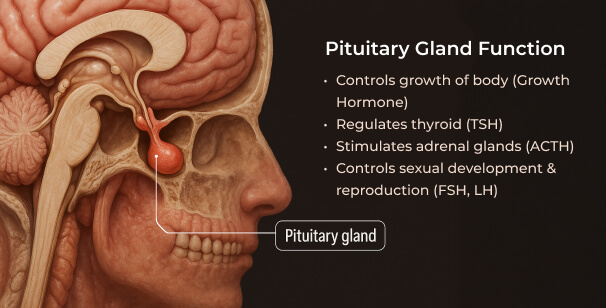
Human Growth Hormone (HGH), also known as somatotropin, is a powerful peptide hormone that is synthesised and secreted by specialised cells called somatotrophs in the anterior pituitary gland, a pea-sized structure located at the base of the brain. Although it is recognised for its role in promoting growth and development during childhood and adolescence, HGH also plays a keen role throughout adulthood, maintaining healthy body composition.
Key Factors that Influence HGH Production

1. Sleep
The majority of HGH is released in pulsatile bursts during the deeper stages of sleep, especially during slow-wave sleep. Consistently getting adequate, high-quality sleep is essential for optimising your body’s natural HGH secretion. Any disrupted or insufficient sleep patterns can noticeably suppress HGH levels. This helps explain how to increase HGH levels naturally.
2. Exercise Intensity and Type
High-intensity interval Training (HIIT) and strength training are particularly effective at stimulating HGH release. Such forms of exercise create metabolic stress, which triggers the body to produce more HGH to support recovery and muscle repair. That’s why it is important to regularly do challenging exercises to boost growth hormone levels.
3. Nutritional Intake and Timing
Yes, the food that you eat and the time when you consume it plays a keen role. When you consume a diet that is rich in protein, healthy fats and complex carbohydrates, it supports overall hormone balance. Whereas, avoiding refined carbs and excessive sugar helps in preventing insulin spikes that can suppress HGH production. In addition, fasting, particularly, intermittent fasting has been shown to significantly increase HGH levels. In fact, there is a well-established link between fasting and HGH production, making it a natural way for boosting growth hormone levels.
4. Stress Levels and Emotional Well-Being
When a person experiences chronic stress, it can negatively impact HGH production by boosting cortisol levels, which is a hormone known to suppress HGH release. There are certain ways to manage stress through techniques like yoga, meditation, spending time with loved ones or in nature, which helps in maintaining a healthy hormonal balance in the body. When your emotional well-being is in check, it indirectly creates the right physiological conditions for optimal HGH secretion.
Top Natural Growth Hormone Boosters

1. Sleep Quality and Quantity
How does it work?The majority of HGH is released in pulsatile bursts during the deeper sleep stages, particularly during slow-wave sleep. This phase of deep sleep is crucial for the pituitary gland to effectively secrete HGH. That’s why sleep is the best natural growth hormone boosters.
Usage tips:Prioritise 7-9 hours of high-quality, uninterrupted sleep each night. Establish a consistent sleep schedule. Create a dark, cool, and quiet bedroom environment, and avoid screens for at least an hour before you go to bed.
2. High-Intensity Exercise
How does it work?High-intensity interval Training (HIIT) and heavy resistance training create significant metabolic stress in the body, along with lactate accumulation. Now, this stress signals the body to release HGH, which helps in post-exercise recovery, growth, and muscle repair.
Usage tips:It is ideal to aim for 2-3 sessions of HIIT per week (including sprints and burpees) and 2-3 strength training sessions focusing on compound movements like deadlifts, squats, and presses. Ensure that you perform each of the exercises in proper form to prevent any kind of injury.
3. Intermittent Fasting
How does it work?Fasting, even for a shorter duration, can significantly increase the HGH levels in the body. This is due to a combination of factors, including reduced insulin levels, increased fat burning, and a more favorable environment for HGH secretion.
Usage tips:Popular methods of intermittent fasting include the 16/8 method (it means fasting for 16 hours and eating within the 8-hour window) or 24-hour fasts once or twice a week. It’s ideal to consult a healthcare professional before beginning this routine, especially if you’re undergoing some severe medical conditions.
IGF-1: The Hormone That Powers Growth with HGH
The link between diet and your body’s growth is undeniable, and Insulin-like Growth Factor 1 (IGF-1) plays a keen role in this process. IGF-1 is a hormone that is mainly produced in the liver and is stimulated by the Human Growth Hormone (HGH). It acts as a key mediator of HGH’s effects as it directly promotes cell division, growth, and protein synthesis throughout the body, crucial for muscle and bone development. Hence, a diet that is optimised to support healthy HGH production can also naturally enhance IGF-1 levels.
Lifestyle Tips to Sustain HGH Levels

Avoiding Late-Night Meals
If you regularly consume larger meals, especially those high in carbohydrates, close to bedtime, it can significantly increase your insulin levels. As insulin inhibits HGH secretion, eating late at night may suppress the natural HGH surge that occurs during deep sleep, reducing overall nightly production. That is why you must always aim to finish your last meal at least 2-3 hours prior to going to bed.
Cold Showers and Their Hormonal Impact
Exposure to cold showers or baths acts as a mild stressor that can trigger various beneficial physiological responses, including a temporary rise in noradrenaline, linked to HGH release. While direct evidence of a significant HGH boost is still emerging, cold exposure can also improve metabolic rate and circulation, contributing to hormonal balance and overall well-being.
Proper Hydration and Mineral Intake
It is quite important to maintain proper hydration in the body for all bodily functions, including hormone production and transport. Dehydration can stress the body and at the same time impact cellular processes. That’s why it is recommended to intake adequate essential minerals, including magnesium, zinc, and boron, either through diet or supplementation, if deficient.
Conclusion
While genetics set the foundation, your lifestyle, diet, sleep, and exercise choices play a vital role in maximising growth potential. Natural ways to boost HGH like proper sleep, training, nutrition, and even habits like fasting, can support not just height but overall well-being.
FAQs
Yes, especially during puberty. Natural HGH boosters can support height growth if your growth plates are still open.
High-protein foods like eggs, fish, dairy, and nuts support HGH and IGF-1 production.
Yes, intense workouts like HIIT and weight training significantly spike HGH levels.
Deep sleep triggers maximum HGH release, making quality sleep essential for growth.