
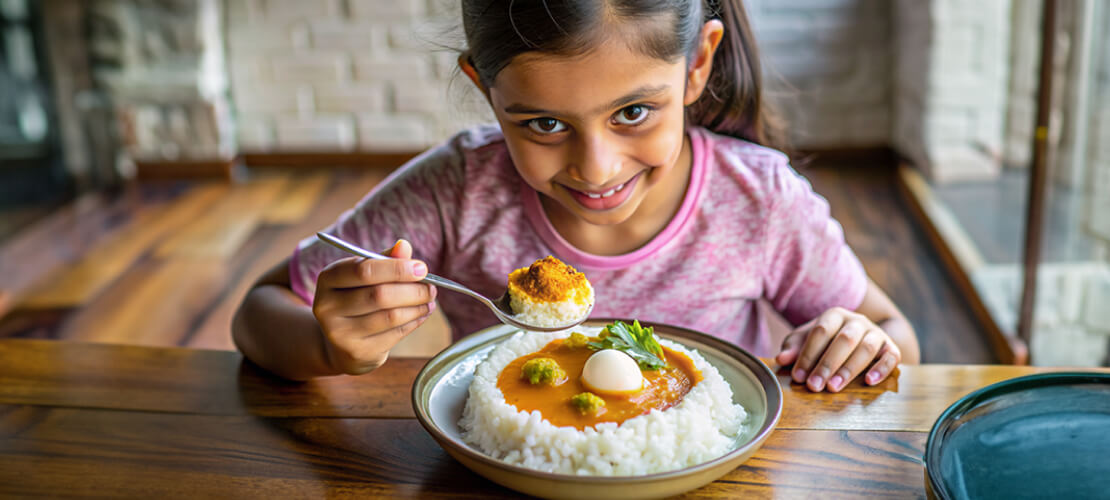
Parenting is a wild ride, filled with surprises and chaos. The only constant thing is their endless energy and growing bodies. As a parent, you’re obviously doing your best ensuring they eat something other than chips and junk food. But have you ever thought about their protein intake? Yes, “protein”is the unsung hero of your child’s diet that’s pivotal for their growth, brainpower, and all that running around they do. Let’s dig into the essentials of protein needs for children and how you can easily meet them without turning every meal into a battle.
Why is Protein Important for Kids?
Proteins are the building blocks of growth and development. They’re essential for growth, immune function, build muscle mass, and boost cognitive function. Here are some surprising benefits of protein for kids that highlight why protein intake is so crucial, especially during their growing years:
Muscle Growth and Repair
Protein is important for muscle development. Whether your child is climbing trees or conquering the playground, protein helps repair and build those growing muscles.
Brain Development
Human brain needs amino acids available in animal based proteins to function properly. This means protein isn’t just about physical growth; it’s also crucial for cognitive development.
Immune System Booster
Proteins help produce antibodies that fight off infections. A strong immune system is built on a foundation of a protein-rich diet.
Energy Source
While carbohydrates are the body’s primary energy source, proteins can step in when carbs are low, ensuring your child’s energy levels stay steady.
Healthy Hair, Skin, and Nails:
Proteins like keratin are key to maintaining healthy hair, skin, and nails. It’s not just about growing big and strong—it’s about looking good while doing it!
How Much Protein Does a Child Need in a Day?
Now, let’s learn how much protein does a child need in a day to plan a diet rich in proteins as per the child’s requirements:
| Age group | Daily Protein Requirement (g) |
|---|---|
| 1-3 years | 13 grams |
| 4-8 years | 19 grams |
| 9-13 years | 34 grams |
| 14-18 years (girls) | 46 grams |
| 14-18 years (boys) | 52 grams |
Meeting these protein needs for children can be a little difficult, but don’t worry—we’ve got some tips on that as well.
Must-Have Protein-Rich Foods for Kids
Let’s talk about the best source of protein for kids. You’ll want to mix it up to keep it interesting and cover all your bases. Here’s a breakdown on how to do it:
1: Animal-Based Proteins
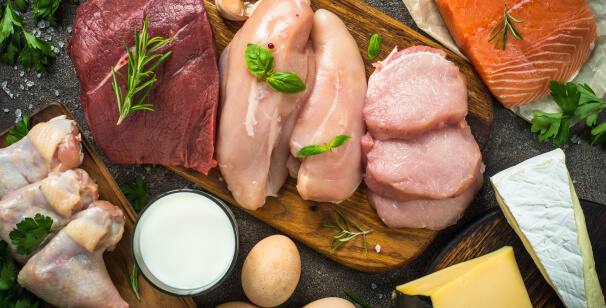
- Chicken and Turkey: Lean chicken tastes great in everything from sandwiches to soups.
- Eggs: Nature’s multivitamin in a shell—eggs are packed with protein and easy to incorporate into any meal.
- Dairy (Milk, Cheese, Yogurt): Not just for strong bones—dairy products are a great source of protein, too.
- Fish: Think salmon or tuna, which are rich in both protein and healthy omega-3s.
2: Plant-Based Proteins
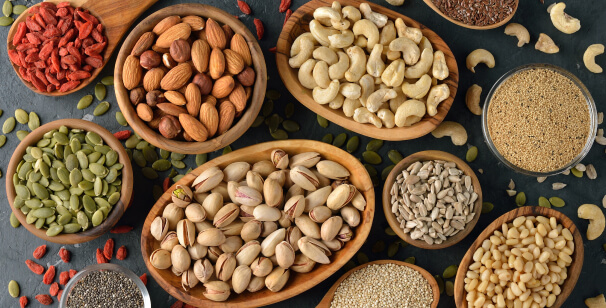
- Beans and Lentils: Budget-friendly and protein-packed, these are fantastic in soups, stews, and even salads.
- Nuts and Seeds: Almonds, walnuts, chia seeds—great for snacks or sprinkled on yogurt.
- Tofu and Tempeh: These soy products are super versatile, whether in stir-fries or as a meat substitute in various dishes.
- Quinoa: This tiny grain is a complete protein, meaning it contains all nine essential amino acids. Perfect for salads or as a side dish.
3: Protein-Packed Drinks
- Milk and Soy Milk: Classic choices that are easy to incorporate into daily routines.
- Smoothies: A fun and sneaky way to pack in some protein with fruits and even veggies.
- Protein Powder for Kids: LIf your child is a picky eater, consider adding a scoop of kid-friendly protein powder to their milk or smoothie.
- Protein Powder: You can also try natural protein powder for kids that ensure not just optimal protein but complete nutrition for your child’s optimal height growth.
You can refer to the chart below to plan a balanced meal for your child.
| Food Item | Protein Content (per serving) |
|---|---|
| Chicken breast (3 oz) | 26 grams |
| Turkey breast (3 oz) | 25 grams |
| Salmon (3 oz) | 22 grams |
| Eggs (1 large) | 6 grams |
| Greek Yogurt (1 cup) | 20 grams |
| Cheddar Cheese (1 oz) | 7 grams |
| Milk (1 cup) | 8 grams |
| Cottage Cheese (1/2 cup) | 14 grams |
| Peanut Butter (2 tbsp) | 8 grams |
| Almonds (1 oz) | 6 grams |
| Walnuts (1 oz) | 4 grams |
| Chia Seeds (2 tbsp) | 4 grams |
| Quinoa (1 cup, cooked) | 8 grams |
| Lentils (1 cup, cooked) | 18 grams |
| Chickpeas (1 cup, cooked) | 15 grams |
| Black Beans (1 cup, cooked) | 15 grams |
| Tofu (1/2 cup) | 10 grams |
| Tempeh (3 oz) | 15 grams |
| Edamame (1/2 cup) | 9 grams |
| Oats (1 cup, cooked) | 6 grams |
| Broccoli (1 cup, cooked) | 3 grams |
| Pumpkin Seeds (1 oz) | 7 grams |
Tips and Tricks to Sneak Protein into Your Child’s Diet
- Smoothie Magic: Blend Greek yogurt, a handful of nuts, and some fruit for a delicious, protein-packed smoothie.
- Protein-Packed Pancakes: Add a scoop of protein powder for kids to pancake batter for a breakfast that packs a punch.
- Sneaky Swaps: Swap regular pasta for lentil or chickpea pasta, which are higher in protein.
- Egg-cellent Choices: Mix eggs into soups or bake them into muffins for a fun and protein-rich snack.
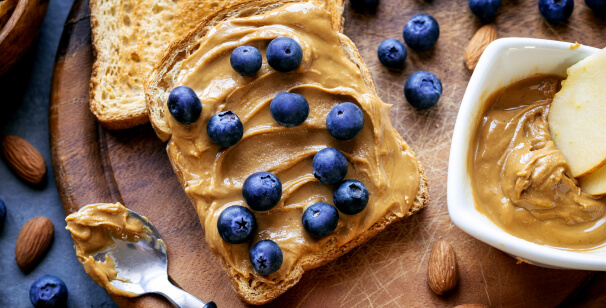
- Nut Butter Everything: Spread almond or peanut butter on toast, apples, or celery for a tasty and protein-rich treat.
Final Thoughts
Meeting the protein needs for children doesn’t have to be a headache. With the right knowledge and a few creative tricks up your sleeve, you can easily ensure your child gets all the protein they need to grow up big, strong, and healthy. You can try some cute and interesting tricks to create protein rich lunch box meals for kids that will ensure an empty tiffin box every time.
Now go on, whip up some of those protein-packed pancakes and watch those tiny tummies grow big and strong!