

From grocery store shelves to social media wellness pages, probiotics are everywhere. They are often marketed as miracle solutions for digestion, immunity, skin, and even mental health. With so many bold claims, it is only natural to wonder if probiotics really live up to the hype.
So, what does science actually say about probiotics and their effectiveness?
This blog cuts through marketing buzz to examine what research genuinely supports, where probiotics help, where they fall short, and how to use them intelligently. Understanding probiotics properly also requires understanding your existing gut health, which is where tools like a gut microbiome test become clinically relevant.
This is not about quick fixes, but about understanding how probiotics truly work inside your body.
What Are Probiotics?
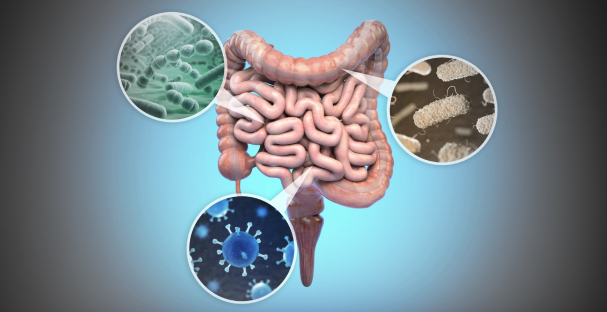
Probiotics are live microorganisms, often referred to as beneficial or friendly bacteria, that support health when consumed in the right amounts. Their primary role is to help maintain balance within the gut microbiome and support essential physiological functions.
The most commonly studied probiotic genera include Lactobacillus and Bifidobacterium. These are found in fermented foods such as yogurt, kefir, kimchi, and sauerkraut, as well as in supplement form.
Probiotics do not function in isolation. They are part of a broader gut health system that includes:
- Prebiotics, which are fibers that feed beneficial bacteria.
- Dietary diversity, which supports microbial resilience.
Without understanding the current state of your gut bacteria, adding probiotics can be imprecise. A gut microbiome test helps determine whether probiotics are needed at all and which strains are most appropriate.
What Science Confirms: Proven Benefits of Probiotics
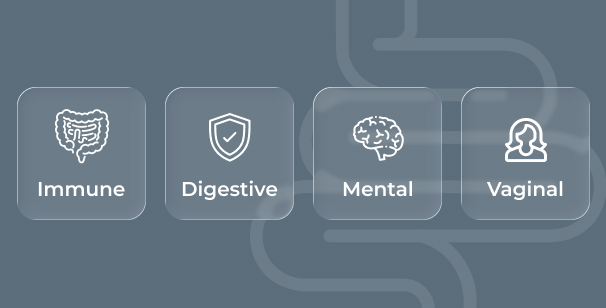
Scientific evidence supports several probiotic benefits, but only under specific conditions. Effectiveness depends on the right strain, correct dose, and appropriate use case. Here is what science clearly shows so far.
1. Digestive Health and Gut Balance
Probiotics are best known for supporting digestive care. Research shows they can:
- Restore healthy gut bacteria after antibiotic use.
- Reduce or ease common symptoms of IBS such as bloating, gas, and irregular bowel movements.
- Prevent and treat diarrhea linked to antibiotic use.
Scientific consensus: Certain strains are effective for digestive issues, but benefits are strain-specific. The main reason to get a gut microbiome test is this helps identify whether digestive symptoms are due to bacterial imbalance or another underlying cause.
2. Immune System Support
Your gut plays a major role in immunity, and probiotics interact directly with immune tissue in the intestinal lining.
They may:
- Support immune regulation.
- Reduce severity and duration of common infections.
Scientific consensus: Results are promising, but benefits depend entirely on the strain used and the dosage.
3. Mental Well-Being and the Gut-Brain Axis
The gut and brain communicate continuously. Certain probiotic strains, often referred to as psychobiotics, influence this connection.
Research suggests some strains may:
- Reduce symptoms of anxiety and low mood.
- Improve stress resilience.
Scientific consensus: Evidence is emerging but not yet strong enough for probiotics to replace mental health therapies. Understanding gut composition through a gut microbiome test helps determine whether gut imbalance may be contributing to mood-related symptoms.
4. Vaginal and Urinary Health
The role of gut microbiome in women’s hormonal health is very important. Specific Lactobacillus strains help maintain a healthy vaginal environment.
They support:
- Stable vaginal pH.
- Reduced recurrence of bacterial vaginosis and UTIs.
Scientific consensus: This is one of the most well-supported applications of probiotics, particularly in women’s hormonal health.
Common Misunderstandings About Probiotics
Although probiotics have real benefits, they are often misunderstood due to aggressive marketing. Science tells a more balanced story, Some popular claims simply do not match when closely examined.
1. “Probiotics fix every gut problem”
Probiotics are helpful, but not a universal solution. They cannot cure chronic inflammatory gut conditions such as Crohn’s or ulcerative colitis independently. In conditions like SIBO (Small intestinal bacterial overgrowth), certain probiotics may worsen bloating and cause discomfort rather than improve it. Testing before supplementation, such as with a gut microbiome test, reduces this risk.
2. “More strains means better results”
Let’s understand, a higher number of strains does not automatically make a probiotic more effective. What truly matters is choosing the right strain for the right condition. A targeted single-strain probiotic can often work much better than a random multi-strain blend.
3. “Probiotics permanently stay in your gut”
Most probiotic strains do not colonize or settle in the gut. They usually pass through and offer benefits only while being taken regularly. Long-term results depend on consistent usage, along with probiotic foods that help good bacteria survive and grow.
What Makes Probiotics Effective (or Not Work)?
Probiotics don’t work the same way for everyone. Their benefits depend on a few important factors.
1. Right Strain for the Right Problem
Not all probiotics do the same work. For example, Lactobacillus rhamnosus GG is often used for diarrhea, while Bifidobacterium infantis is commonly studied for IBS symptoms. Choosing the correct strain matters more than choosing a popular one.
2. The Right Dose Matters
Probiotics doses are measured in CFUs (Colony Forming Units).
For daily gut maintenance, 1 to 10 billion CFUs is usually enough.
For active gut issues, higher doses (10 to 50 billion CFUs) may be used, ideally with professional guidance.
Taking more does not always mean better results. The quality and survival of the bacteria are just as important.
3. Consistency and Timing
Probiotics need time to show results. Most people should take them consistently for at least 4 to 8 weeks. If you’re also taking antibiotics, keep a space of 2 to 3 hours between the two so the antibiotics don’t destroy the probiotics.
4. Why Prebiotics Are Important
Think of probiotics as seeds and prebiotics as their food. Prebiotics are fiber-rich foods like garlic, onions, and bananas that help beneficial bacteria multiply. Whereas, Probiotics are the live bacteria themselves. Using both together helps support gut health more effectively and for longer.
Probiotics in Food vs. Supplements

| Source | Pros | Cons |
|---|---|---|
| Fermented Foods (yogurt, sauerkraut, kombucha) | Naturals often have multiple strains & prebiotics. | Strain and dose not standardized; may contain sugar/additives. |
| Supplements (capsules, powders) | Targeted strains, known CFU count, shelf-stable. | Quality varies; some strains may not survive stomach acid. |
Tip: Look for supplements with gastric acid-resistant capsules and third-party testing.
Who Should Be Careful with Probiotics?
Probiotics are considered safe for most people, but they are not suitable for everyone. Some individuals may need extra caution or expert medical guidance before using them, including:
- People with a weak immune system
- Those with central venous catheters
- Individuals with pancreatitis, in certain situations
- SIBO patients, as some probiotics can worsen symptoms
If you fall into any of these groups or are unsure, it’s best to speak with a healthcare professional before starting the course.
Conclusion: A Science-Backed Approach
Probiotics can be a valuable addition to your gut health regime when used in the correct manner. Instead of picking any probiotic supplement off the shelf, it is important to choose strain-specific probiotics that help achieve your health goal. Also, pairing probiotics with prebiotics helps support their effectiveness and allows good bacteria to thrive for longer. It is also important to be patient, since probiotics do not work magically overnight, and noticeable changes often take time.
Understanding your baseline gut composition through at home gut health tests allows probiotics to be used with precision rather than trial and error. Combined with prebiotics, balanced nutrition, stress management, and adequate sleep, probiotics become a useful tool rather than a trend-driven solution.
Gut health requires strategy, not shortcuts.
Disclaimer: This blog is intended for general awareness and educational purposes only. It is not a substitute for medical advice. Always consult a qualified healthcare professional for proper diagnosis and Personalised treatment.
FAQs About Dysbiosis

Dr. Surendra K Chikara
Founder & CEO, Bione
World-renowned genomicist with 20+ years of pioneering experience in genetics and microbiome science.