
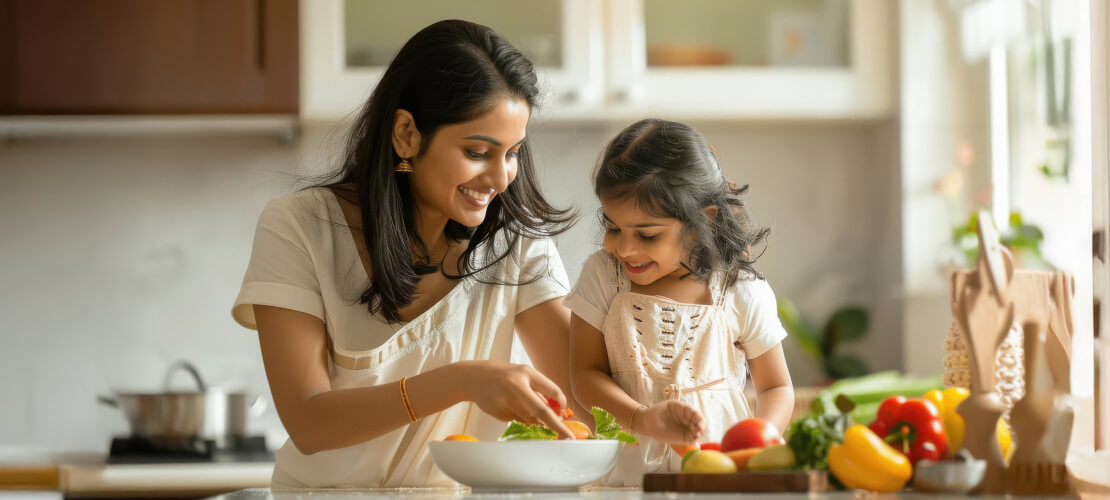
In this busy world, it can be tough to bring up children who are healthy as nutritional food is given up in favor of convenience. Children are surrounded by unhealthy food as it is found in schools, grocery stores, and birthday gatherings, and even snacks that are claimed to be healthy. But the truth is, for us parents, helping our children grow into healthy individuals is not only about feeding them but also about providing them with sustaining food for their minds and bodies. All it requires is a bit of structuring and some efficient and easy suggestions, this can enable your children cultivate a taste for wholesome and nutritional food that lasts for a lifetime. This blog will guide you through the challenges of parenting a child who will be living in a world full of unhealthy processed food in the future.
Why Processed Foods Are a Problem
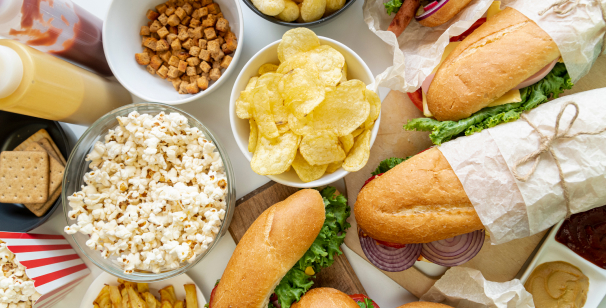
Everyone is well aware that foods that have been processed are unhealthy, but there has been enough known about them that governments have begun passing laws designed to control or limit the amount of processed foods the average person is exposed to. A majority of modern fast and junk foods in this day and age contain a high dosage of sugar, salt, unhealthy fats and artificial pleasures, while the sense of moderation is foreign to them. It’s not hard to assume what health complications such items tend to evoke. There are a group of major health concerns including:
- Childhood obesity
- Poor nutrition
- Increased risk of chronic diseases (like diabetes and heart disease)
- Behavioral issues (linked to sugar and artificial additives)
While it’s nearly impossible to completely eliminate processed foods from your child’s diet, you can take steps to minimise their impact and teach your kids healthier habits.
Why Healthy Eating Matters for Kids

Children’s bodies and brains are in a constant state of growth. Proper nutrition supports:
- Physical Development: Strengthening bones and muscles.
- Cognitive Growth: Enhancing memory, focus, and learning abilities.
- Immunity: Protecting against illnesses and infections.
Instilling good eating habits early on can set the stage for a lifetime of health and well-being.
1. Start with Education: Teach Kids About Nutrition
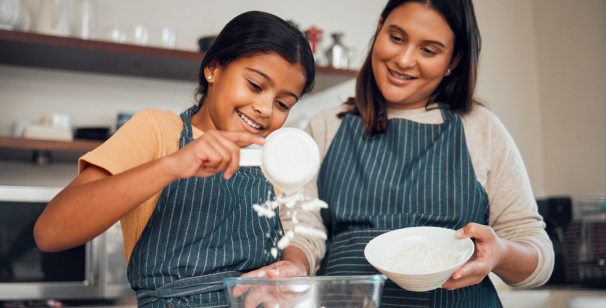
Children, by nature, are inquisitive, so why not use that to your benefit? Explain to them the importance of eating balanced, nutrient-dense foods. Here’s how:
- Make it fun: Use colorful charts or games to explain food groups and their benefits.
- Involve them in grocery shopping: Let them pick out fruits, vegetables, and whole grains.
- Cook together: Show them how to prepare simple, healthy meals.
When kids understand why certain foods are better for them, they’re more likely to make healthier choices.
2. Swap Processed Snacks for Whole Food Alternatives
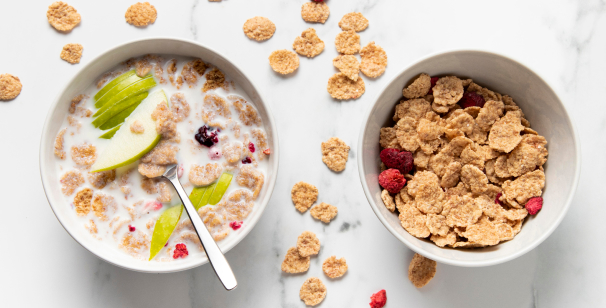
One of the easiest ways to reduce processed foods is by swapping them for healthier options. Here are some kid-approved ideas:
| Processed Snack | Healthy Swap |
|---|---|
| Sugary cereal | Oatmeal topped with fresh fruit |
| Potato Chips | Air-popped popcorn or veggie sticks with hummus |
| White bread | Whole-grain bread |
| Packaged cookies | Homemade energy balls (made with oats, nuts, and dates) |
| Fruit gummies | Fresh fruit or fried fruit (without added sugar) |
| Soda | Infused water or Smoothies |
These swaps are not only healthier but also just as tasty—if not more!
3. Plan Ahead to Avoid Temptation
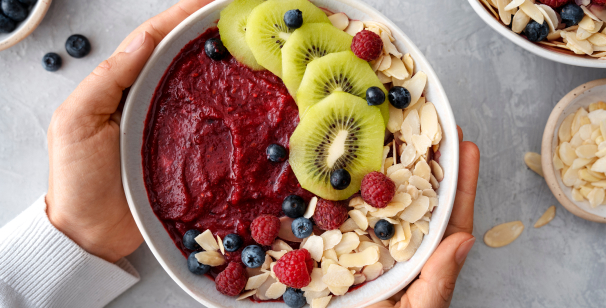
Busy schedules often lead to reliance on processed foods. But with a little planning, you can set your family up for success:
- Meal prep: Spend a few hours on the weekend preparing healthy meals and snacks.
- Pack lunches: Instead of relying on school cafeterias, pack a balanced lunch with whole foods.
- Keep healthy snacks on hand: Stock your pantry with nuts, seeds, and whole-grain crackers.
When healthy options are readily available, you’re less likely to reach for processed foods.
4. Be a Role Model: Practice What You Preach

Kids learn by watching their parents. If they see you enjoying fruits, vegetables, and home-cooked meals, they’re more likely to follow suit. Here’s how to lead by example:
- Eat meals together: Family meals are a great opportunity to model healthy eating habits.
- Limit your own processed food intake: Show your kids that you’re making an effort too.
- Stay positive: Avoid labeling foods as “good” or “bad.” Instead, focus on balance and moderation.
5. Read Labels: Know What’s in Your Food

Processed foods don’t all come from the same mold, and with a sharp selection some can support a healthy nutrition plan. Learn to read food labels and help your kids learn it too:
- Look for short ingredient lists: The fewer ingredients, the better.
- Avoid added sugars: Watch out for words like high-fructose corn syrup, cane sugar, and dextrose.
- Check for unhealthy fats: Avoid trans fats and limit saturated fats.
By becoming a label-savvy shopper, you can make better choices for your family.
6. Encourage Mindful Eating
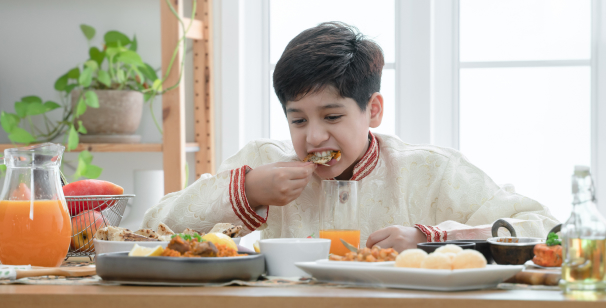
In a world of distractions, it’s easy for kids to overeat without realizing it. Teach them to listen to their bodies:
- Eat slowly: Encourage them to savor each bite.
- Recognize hunger cues: Help them understand when they’re truly hungry vs. eating out of boredom.
- Avoid eating in front of screens: Focus on the meal and enjoy family time.
- Mindful eating can help kids develop a healthier relationship with food.
7. Don’t Stress Over Perfection

Let’s face it, life happens. There will be times when processed foods are unavoidable, and that’s okay. The goal isn’t perfection; it’s progress.
- Allow treats in moderation: Deprivation can lead to cravings and overindulgence.
- Focus on the big picture: One unhealthy meal won’t derail your efforts.
- Celebrate small wins: Did your child choose an apple over chips? That’s a win worth celebrating!
Final Thoughts
Raising healthy kids in a world of processed foods may seem daunting, but it’s entirely possible with the right strategies. By educating your kids, making smart swaps, planning ahead, and leading by example, you can set them up for a lifetime of healthy habits.
In some cases, supplements for growth can be a helpful addition to ensure they’re getting essential vitamins and minerals, especially if they’re picky eaters or have specific dietary needs. Remember, it’s not about being perfect, it’s about making better choices, one meal at a time. Start small, stay consistent, and watch your kids thrive!