Menu
Your Cart Items
Your Cart is empty
Begin TodaySelect Delivery Address
Select Delivery Address
BLOG
Which Lentil Has the Most Protein? A Complete Comparison Guide
Niti Goyal
March 17, 2025
Key Takeaways
- Horse Gram (Kulthi) has the highest protein content among lentils, providing 30g per 100g, followed by Urad Dal and Masoor Dal.
- Lentils are an excellent plant-based protein source, rich in fiber, iron, and essential amino acids, supporting muscle growth, digestion, and heart health.
- Maximise protein absorption by pairing lentils with whole grains, soaking/sprouting, cooking with healthy fats, and combining with vitamin C-rich foods.
- Lentils offer a great meat alternative, providing 24-30g of protein per 100g, making them ideal for vegetarians, vegans, and fitness enthusiasts.
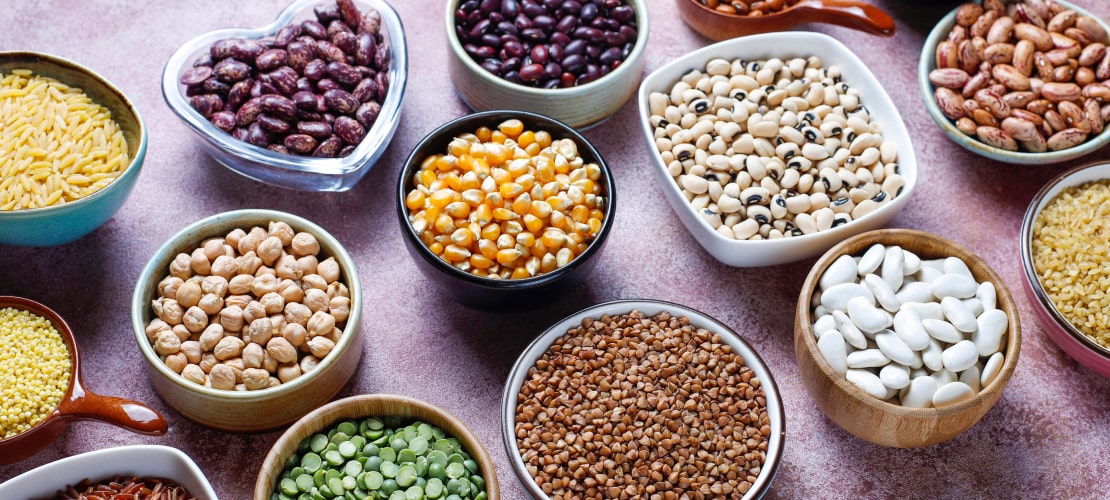
Lentils are a powerhouse of nutrition, making them a staple in plant-based diets worldwide. Whether you’re a fitness enthusiast, vegetarian, or simply looking to boost your daily protein intake, understanding which lentils offer the highest protein content is essential. In this comprehensive guide, we’ll compare different types of lentils, their protein content per serving, and the best ways to incorporate them into your diet.
If you’ve ever wondered, which lentil has the most protein? or how much protein is in dal per 100g?, this guide has all the answers you need. Let’s dive into the ultimate lentil protein comparison guide.
Understanding Protein Content in Lentils
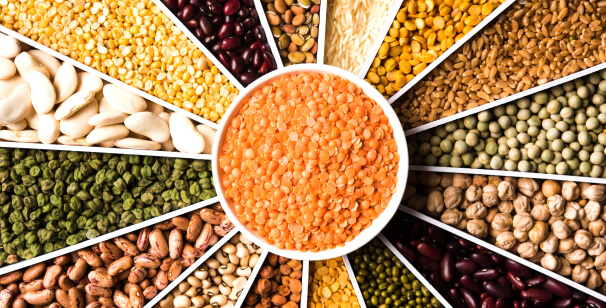
Lentils are an excellent source of plant-based protein, providing essential amino acids necessary for muscle growth and overall health. However, different lentil varieties have varying protein levels. Below is a comparison of the most commonly consumed lentils.
Lentil Protein Content per 100g (Dry Weight)
| Lentil Type | Protein Content (per 100g) |
|---|---|
| Horse Gram (Kulthi) | 30g |
| Urad Dal (Black Gram) | 26g |
| Masoor Dal (Red Lentils) | 25g |
| Moong Dal (Green Gram) | 24g |
| Chana Dal (Bengal Gram) | 22g |
| Toor Dal (Pigeon Pea) | 21g |
From the table above, Horse Gram (Kulthi) stands out as the highest-protein lentil, making it an excellent choice for those seeking high-protein plant-based sources.
Best Lentils for Protein Intake
1. Horse Gram (Kulthi) – The Protein King
Horse Gram contains an impressive 30g of protein per 100g, making it the most protein-dense lentil. It is often used in traditional Indian cuisine and is known for its weight-loss benefits and high fiber content.
Nutritional Benefits:
- High in iron, calcium, and fiber
- Supports digestion and gut health
- Aids in weight loss by keeping you fuller for longer
How to Consume:
- Sprouted and added to salads
- Cooked into a thick, nutritious dal
- Made into a dry stir-fry with Indian spices
2. Urad Dal (Black Gram)
With 26g of protein per 100g, Urad Dal is another high-protein lentil commonly used in dishes like Dal Makhani and idli batter.
Nutritional Benefits:
- Supports bone health due to high calcium content
- Improves digestion and provides gut-friendly fiber
- Helps in muscle repair and strength
How to Consume:
- Used in dosa and idli batter for fermented goodness
- Cooked as a rich, creamy dal
- Soaked and ground into paste for making vadas
3. Masoor Dal (Red Lentils)
Masoor Dal provides 25g of protein per 100g, making it a nutritious and easily digestible lentil choice.
Nutritional Benefits:
- High in folate and iron, great for blood health
- Supports muscle recovery post-exercise
- Rich in fiber, keeping cholesterol levels in check
How to Consume:
- Cooked into a smooth, light dal
- Added to soups and stews for extra nutrition
- Ground into flour for high-protein rotis
4. Moong Dal (Green Gram)
Moong Dal offers 24g of protein per 100g and is highly versatile, used in soups, salads, and traditional Indian recipes.
Nutritional Benefits:
- Low in calories but packed with protein
- Helps regulate blood sugar levels
- Supports healthy skin and hair
How to Consume:
- Sprouted and eaten raw in salads
- Cooked as a dal or used in khichdi
- Ground into flour and made into pancakes
5. Chana Dal (Bengal Gram)
Chana Dal contains 22g of protein per 100g, making it an excellent plant-based protein source for vegetarians.
Nutritional Benefits:
- Supports heart health by reducing bad cholesterol
- Aids in digestion due to high fiber content
- Helps maintain energy levels throughout the day
How to Consume:
- Used in curries and stews
- Ground into flour for making nutritious besan dishes
- Roasted and eaten as a crunchy snack
6. Toor Dal (Pigeon Pea)
Toor Dal contains 21g of protein per 100g and is one of the most widely used lentils in Indian households. It is a staple ingredient in South Indian sambhar and other dal-based dishes.
Nutritional Benefits:
- Rich in protein, fiber, and complex carbohydrates
- High in folic acid, supporting cell growth and pregnancy health
- Contains iron, magnesium, and potassium, essential for heart and muscle function
How to Consume:
- Cooked as a simple dal with turmeric and spices
- Used in South Indian dishes like sambhar
- Mixed with rice and ghee for a wholesome meal
- Added to soups and stews for extra nutrition
How to Maximise Protein Absorption from Lentils
1. Pair with Whole Grains
Lentils lack some essential amino acids, but when paired with whole grains like rice, quinoa, or wheat, they form a complete protein.
2. Soaking and Sprouting
Soaking and sprouting lentils enhance their digestibility and nutrient absorption while increasing their amino acid profile.
3. Cooking with Healthy Fats
Adding healthy fats such as ghee, olive oil, or coconut oil helps in better absorption of fat-soluble vitamins present in lentils.
4. Combining with Vitamin C
Vitamin C enhances iron absorption from lentils, making it beneficial to consume them with citrus fruits, tomatoes, or bell peppers.
Health Benefits of a High-Protein Lentil Diet
Eating protein-rich lentils as part of your daily diet has multiple health benefits, including:
- Improved Muscle Health: Protein is essential for muscle repair and growth, making lentils a great addition for athletes and fitness enthusiasts.
- Weight Management: The high fiber and protein content in lentils keep you full longer, reducing unnecessary cravings.
- Heart Health: Lentils help regulate blood pressure and cholesterol levels, supporting overall cardiovascular health.
- DigestiveHealth: Rich in fiber, lentils support gut health and prevent constipation.
Lentils vs Other Protein Sources
While lentils are a great plant-based protein source, they are often compared to animal proteins like chicken, eggs, and fish.
| Protein Source | Protein per 100g |
|---|---|
| Soybeans | 36g |
| Chicken breast | 31g |
| Lentils | 24-30g |
| Eggs | 13g |
| Fish | 22g |
As seen above, lentils offer comparable protein levels, making them an excellent alternative for vegetarians and vegans.
A Word from Bione
At Bione, we believe in empowering individuals with knowledge about their nutritional choices. Lentils are an excellent plant-based protein source, essential for a balanced diet. Whether you are looking to increase muscle mass, improve digestion, or maintain overall health, incorporating the right lentils into your meals can make a significant difference.
Bione offers personalised health insights and diet recommendations based on scientific research and genetic profiling. By understanding your body’s needs, you can make informed decisions that optimise your health and nutrition.
Additionally, Bione’s height growth protein helps fulfill your daily protein requirements, ensuring your body gets all the essential amino acids and nutrients needed for optimal growth and development. Whether you’re looking for plant-based protein options or scientifically formulated supplements, Bione has you covered.
Stay informed, eat smart, and make protein-rich lentils a staple in your diet
FAQs
Horse Gram (Kulthi) has the highest protein content at 30g per 100g.
To maximise protein absorption, pair lentils with whole grains and incorporate soaking or sprouting techniques before cooking.
A cup of cooked lentils typically contains 15-18g of protein, depending on the variety.
Lentils are not a complete protein but can be combined with grains or nuts to provide all essential amino acids.
Yes! While lentils do not contain all essential amino acids, they offer high protein levels, making them a great plant-based meat alternative.