


Bione Whatsapp

Understanding Dysbiosis: Causes, Symptoms, and Treatment

Dysbiosis symptoms and gut imbalance overview
Key Takeaways
  • Dysbiosis is a gut microbiome imbalance where harmful microbes outnumber beneficial ones, affecting digestion, immunity, and overall health.
  • Poor diet, chronic stress, antibiotics, infections, and lifestyle factors are common contributors to dysbiosis.
  • Symptoms may extend beyond digestion and include bloating, irregular bowel movements, fatigue, skin issues, and brain fog.
  • Accurate testing, targeted nutrition, and consistent lifestyle changes are essential for restoring and maintaining gut balance.
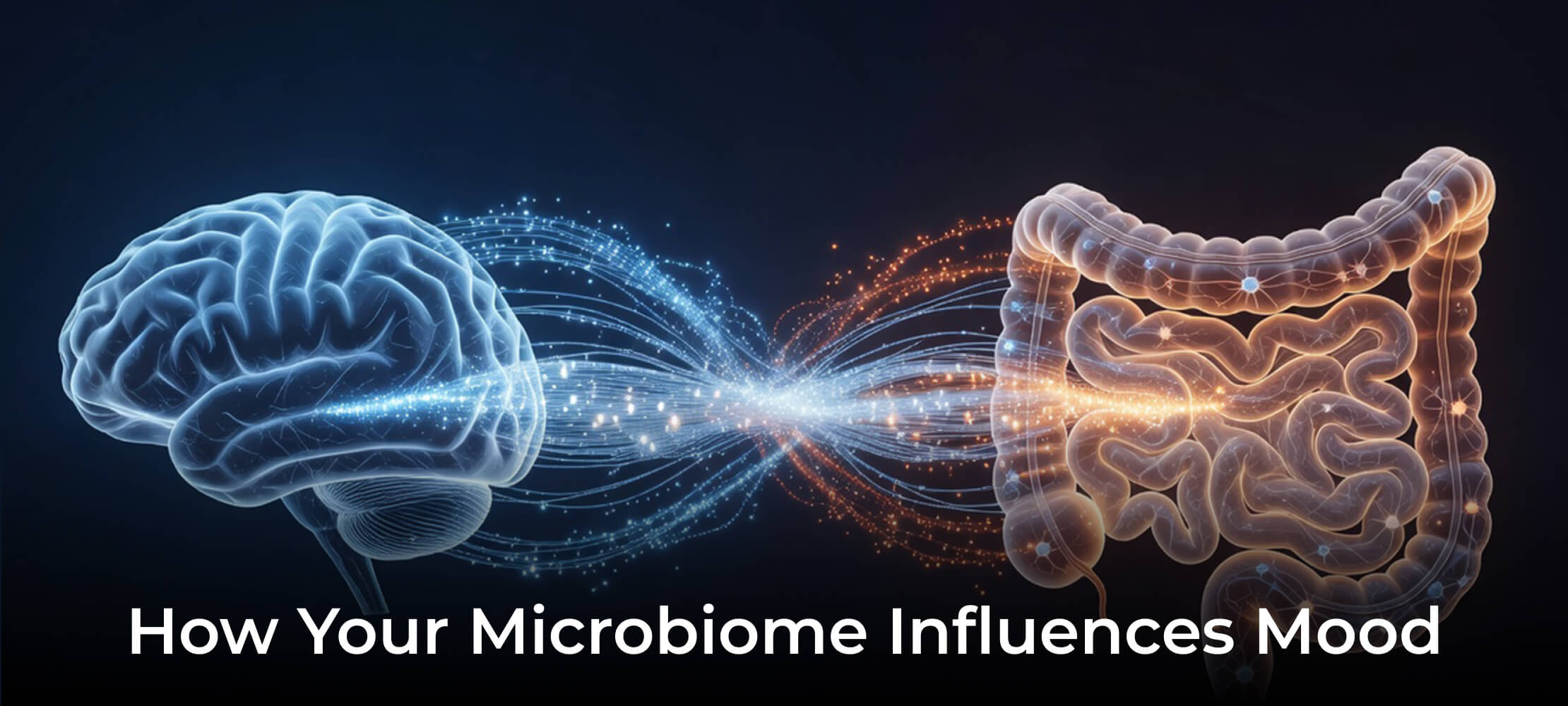
Your gut is home to trillions of microorganisms, including bacteria, viruses, and fungi. Together, they form the gut microbiome. When these microbes exist in balance, they support digestion, immune regulation, metabolic function, and aspects of mental well-being.
When this balance is disrupted and harmful microbes begin to outnumber beneficial ones, the condition is referred to as dysbiosis. Dysbiosis can interfere with normal gut function and is increasingly associated with broader health disturbances.
Understanding dysbiosis and its underlying drivers is a necessary first step toward improving gut health and supporting overall physiological balance.

Dysbiosis describes an imbalance in the gut microbiome, typically involving a reduction in beneficial bacteria, an overgrowth of harmful organisms, or reduced microbial diversity.

A useful analogy is a garden ecosystem. When weeds overtake healthy plants, the environment deteriorates. Similarly, when harmful microbes dominate the gut, they crowd out beneficial bacteria and disrupt normal digestive and immune processes.

Research has linked dysbiosis to inflammation, altered immune responses, and increased vulnerability to chronic health conditions. The effects are not limited to digestion alone.
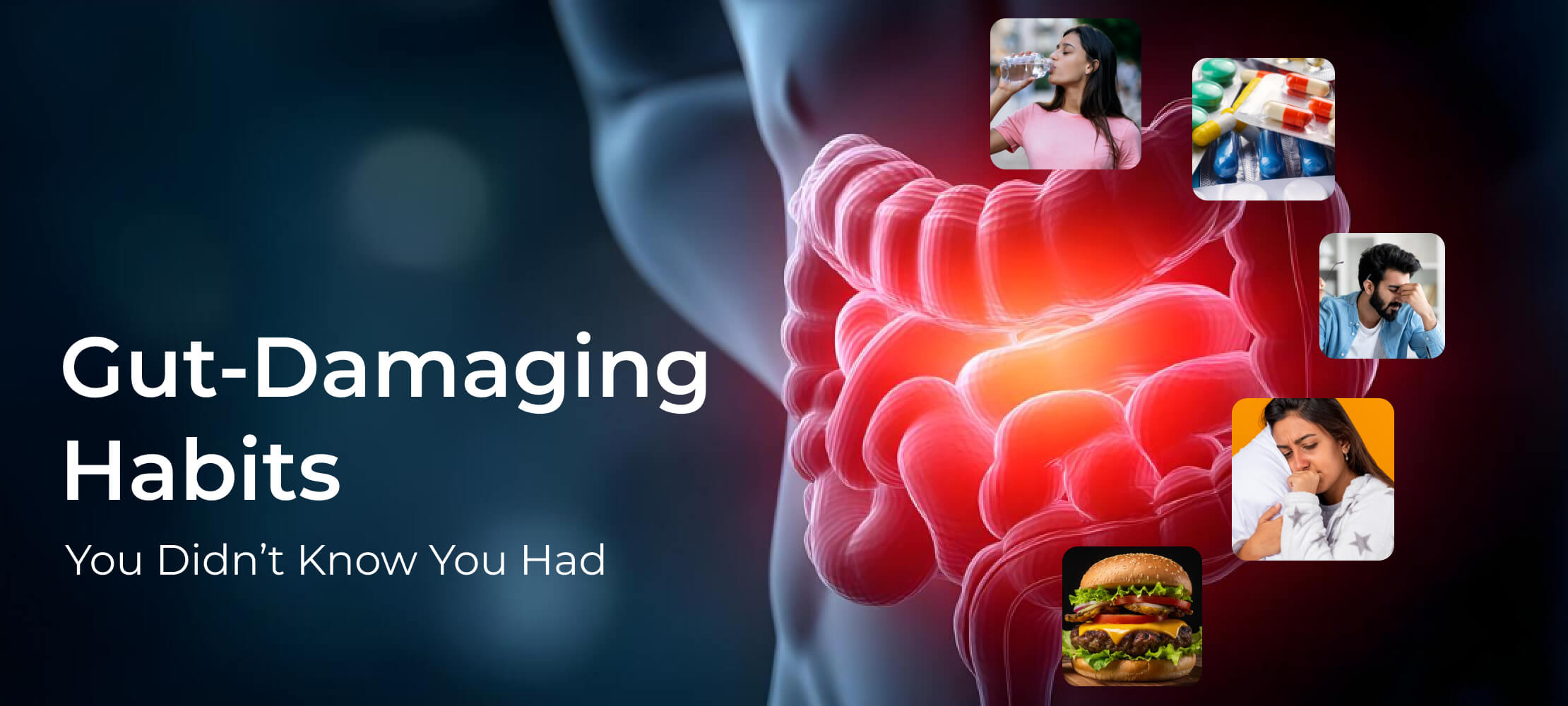
Dysbiosis does not arise from a single factor. It usually develops through cumulative dietary, lifestyle, medical, and environmental influences. Some of the most common causes include:

1. Poor Dietary Patterns

High intake of refined sugars and ultra-processed foods promotes the growth of harmful bacteria. Diets low in dietary fiber deprive beneficial microbes of essential fuel, reducing microbial diversity.

2. Overuse of Medications

Antibiotics can disrupt gut balance by eliminating both harmful and beneficial bacteria. Repeated or unnecessary use increases the risk of prolonged imbalance. Certain pain relievers and acid-suppressing medications may also alter the gut environment when used frequently.

3. Chronic Stress

Persistent stress affects gut motility, digestive secretions, and the gut-brain axis. Over time, these changes can create conditions that favor harmful microbial growth.

4. Infections and Environmental Exposures

Foodborne illnesses, gastrointestinal infections, and repeated digestive disturbances can damage healthy gut bacteria. Exposure to pesticides, industrial chemicals, and contaminated water may further compromise microbial balance.

5. Lifestyle Factors

Inadequate sleep, physical inactivity, and excessive alcohol consumption are associated with reduced microbial diversity and impaired gut resilience.

4. Infections and Environmental Exposures

Foodborne illnesses, gastrointestinal infections, and repeated digestive disturbances can damage healthy gut bacteria. Exposure to pesticides, industrial chemicals, and contaminated water may further compromise microbial balance.

The signs of dysbiosis can look different for each individual, but many experience a mix of the symptoms below:
SIGNS Common Symptoms
Digestive Problems
  • Bloating, gas, constipation, or loose stools/diarrhea
  • Heartburn or acid reflux
  • Difficulty tolerating certain foods
Systemic/Whole-Body Symptoms
  • Constant tiredness, Fatigue or brain fog
  • Skin problems such as acne, eczema, or rashes
  • Joint pain or ongoing inflammation
Immune and Metabolic Signs
  • Getting sick often or developing new allergies
  • Unexpected weight gain or weight loss
  • Mood changes like anxiety, low mood, or irritability
Signs of a Leaky Gut

Dysbiosis may weaken the gut lining, increasing permeability. This process, often referred to as increased intestinal permeability, may contribute to:

  • Chronic inflammation
  • Autoimmune flare-ups
  • Multiple food sensitivities
Subjective symptoms alone cannot confirm dysbiosis. Objective testing is required to assess microbial balance.
Commonly used diagnostic tools include:

1. Comprehensive Stool Testing

  • Gut microbiome test includes the sample of stool which evaluates levels of beneficial and harmful bacteria.
  • Checks for yeast overgrowth, parasites, and inflammatory markers.

2. Hydrogen Breath Test

  • Helps detect SIBO (Small Intestinal Bacterial Overgrowth).

3. Organic Acid Test

  • Analyzes metabolic markers in urine to understand how gut microbes are functioning.

4. Intestinal Permeability Tests

    • Tests such as zonulin or lactulose-mannitol assess whether the gut lining is damaged, a condition often referred to as “leaky gut”.
Healing dysbiosis is not an overnight process. It takes time and consistency. Simply put, it involves removing what harms your gut and rebuilding what supports it. Here is how the healing journey usually unfolds.

Step 1: Remove What Is Causing Harm

The first step is to stop feeding harmful bacteria.
  • Reduce sugar, refined carbohydrates, and heavily processed foods.
  • Avoid alcohol and artificial sweeteners.
  • Use antimicrobial herbs such as oregano oil, garlic, or berberine only under professional guidance.

Step 2: Restore Good Gut Bacteria

Once harmful bacteria are under control, the focus shifts to rebuilding beneficial bacteria.

  • Add probiotics, especially strains from the Lactobacillus and Bifidobacterium families.
  • Eat prebiotic-rich foods like garlic, onions, asparagus, and oats to nourish healthy bacteria.
  • Include fermented foods such as sauerkraut, kimchi, kefir, or yogurt.

Step 3: Repair the Gut Lining

Dysbiosis often damages the gut lining, so repairing it is an essential next step.

  • L-glutamine, an amino acid, helps repair and strengthen intestinal cells.
  • Zinc carnosine supports healing of the gut’s mucosal lining.
  • Bone broth provides collagen and gelatin that nourish and protect the gut lining.

Step 4: Rebalance for the Long Term

Lasting gut health depends on daily habits and lifestyle choices.

  • Manage stress through meditation, yoga, or gentle walks.
  • Get consistent, quality sleep, ideally 7 to 9 hours each night.
  • Stay well hydrated and keep your body moving regularly.

Dysbiosis is not just a gut issue. It affects the entire body. When you understand what causes it, how it shows up, and how it can be addressed, you take back control of your health. With the right food choices, supportive lifestyle habits, and proper professional guidance, healing your gut is absolutely possible.

Your gut plays a central role in your energy, immunity, and overall wellbeing. Paying attention to it, caring for it, and responding to its signals allows your body to function at its best.

Dysbiosis refers to an imbalance in gut bacteria, where harmful microbes outnumber beneficial ones. This can occur due to poor dietary habits, repeated antibiotic use, long-term stress, infections, or exposure to environmental toxins.
Common signs include bloating, gas, constipation or diarrhea, low energy or fatigue, skin issues, food sensitivities, brain fog, and changes in mood.
Yes. Many people are able to improve gut balance naturally by reducing trigger foods such as excess sugar, adding probiotics and prebiotics, supporting gut lining repair, and maintaining a gut-friendly lifestyle consistently.
The healing timeline varies from person to person. Mild imbalances may improve within a few weeks, while deeper or long-standing issues can take several months or longer with steady and mindful effort.
A comprehensive stool test is the most commonly used diagnostic tool. In some cases, hydrogen breath tests for SIBO or intestinal permeability tests may also be recommended.
It is best to limit sugar, refined carbohydrates, ultra-processed foods, excessive alcohol, artificial sweeteners, and dairy if you are sensitive to it. These foods can promote harmful bacterial growth and increase inflammation.
0
Your Bag
  • No products in the cart.