
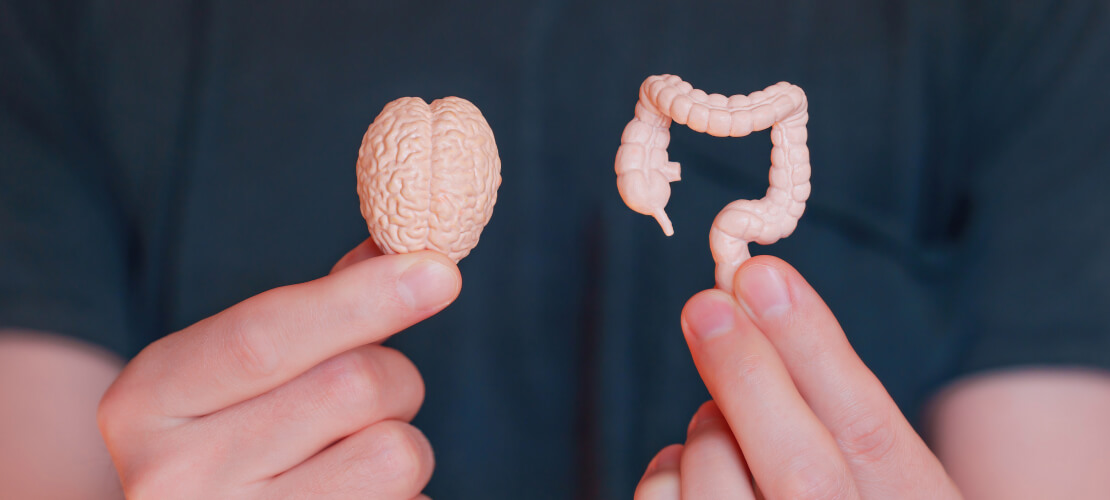
Have you ever observed the rumbling in your stomach when you’re stressed? Ever noticed a change in your diet and digestion during a depression or anxiety spell?
Recently, the scientific community has been absorbed in exploring this gut-brain connection. The gut and brain share an intricate and fascinating bi-directional link, also called the gut-brain axis. This network highlights how our gut microbiome impacts and influences our mental health. Let’s delve into the mechanics of the gut-brain axis and understand how our gut can affect our mood and mental well-being.
What Is The Gut Microbiome?
The gut microbiome refers to the trillions of microbes living inside the gastrointestinal tract, such as viruses, fungi, and bacteria. These microorganisms are essential for digestion, immunity, and the synthesis of vitamins and hormones. A diverse gut microbiome is considered a healthy gut microbiome.
Gut Skin Connection: What's Going On?
Let’s dive into the connection between gut health and skin issues. You might be surprised to learn that many pesky problems are rooted in your gut.
What Is Gut Health?
Gut health is an individualized umbrella term. It encompasses all gastrointestinal functions, from digestion to waste elimination. A digestive system working properly is called a healthy gut.\
So, what is an unhealthy gut? Here are some symptoms of an unhealthy gut:
- Food Intolerances
- Bloating or Gas
- Prolonged Diarrhea
- Constant Fatigue
- Bad Breath
- Sudden Weight Changes
- Poor Immunity
If you have an unhealthy gut, try this at-home gut microbiome test kit and get valuable insight into your gut health.
Gut Health And Brain Function
The walls of our gastrointestinal tract are lined with a vast network of neurons, which is why it is called the second brain. This network of neurons is called the ENS (Enteric Nervous System).
The Vagus nerve is an essential component of the gut-brain axis, connecting ENS to the CNS (central nervous system) and carrying signals from the gut to the brain and vice versa.
Sensory Input: The vagus nerve collects information about the state of the gut, including its microbial composition, nutrient content, and motility, and transmits this data to the brain.Motor Output: In response to sensory input, the brain sends signals back through the vagus nerve to regulate digestive processes, such as enzyme secretion, gut motility, and inflammation control.
Gut Health And Mental Wellness
The gut microbiome produces a variety of neurotransmitters, including serotonin, dopamine, and gamma-aminobutyric acid (GABA), which are vital to maintaining mood, reducing anxiety, and achieving happiness. Approximately 90% of serotonin, a neurotransmitter related to feelings of well-being and happiness, is produced in the gut.
The gut microbiome also helps regulate the body’s immune response to inflammation and other diseases. A healthy gut can reduce the risks of infections, inflammatory diseases, and its effects on mental health.
The gut microbiome can influence the body’s response to stress by interacting with the hypothalamic-pituitary-adrenal (HPA) axis. A balanced microbiome can help modulate stress hormones, reducing feelings of stress and anxiety.
Gut Microbiome And Depression
Various studies have shown that people with depression exhibit an altered gut microbiome composition known as dysbiosis, which can lead to increased intestinal permeability or “leaky gut“. In this case, the body allows harmful substances to enter the bloodstream, affecting brain function and mental health. Specific microbiome strains, such as Lactobacillus and Bifidobacterium, are known to boost serotonin production, which is responsible for better mood and reduced depression. A study showed that optimal probiotic intake alleviates stress and depression, proving that a healthy diet rich in symbiotics can lead to better gut and mental health.
How Do I Maintain A Healthy Gut?
To maintain a healthy gut and promote mental well-being, consider the following tips:
- Dietary Changes: Eat balanced meals rich in fiber, vitamins, minerals, probiotics, and prebiotics for healthier digestion.
- Lifestyle Changes: Try leading a healthy and active lifestyle. Find positive stress management methods such as meditation, yoga, and other recreational activities.
- Prebiotics And Probiotics: If one cannot add these two to the daily diet, then it is mandatory to take supplements to meet the daily requirement.
- Gut Test And Regular Check-Ups: Get a gut microbiome test done to identify and target your health vulnerabilities. Regular check-ups and diet consultations can help you manage your gut microbiome.
The Bottom Line
The gut-brain axis represents a fascinating frontier in understanding the relationship between diet, gut health, and mental health. Varying research is still underway to better understand this link and uncover its impacts on the body’s well-being. This will also enable science to offer promising avenues for novel treatments and preventative strategies for mental health disorders. Every new revelation increasingly asserts that the gut microbiome influences our lives in every minor and major aspect.