




Understanding Human Height and Spinal Structure
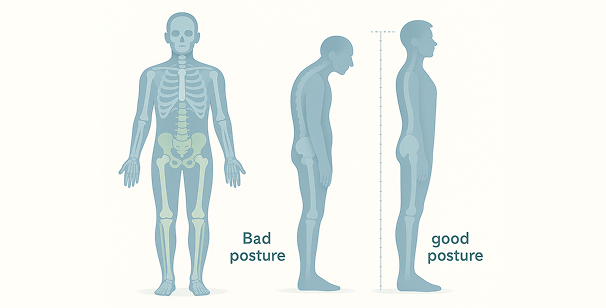
Our total human height is a complex measurement, which is not measured simply by the length of any one single bone but is basically a cumulative sum that is determined by the three main components – the length of our bones, the structure of our spine, and even our posture. As discussed earlier, the bones of our legs particularly contribute to our height from the waist to down. Our posture plays a very keen role in how we present our height. Even with strong bones and a healthy spine, poor posture can make us look shorter by causing slouching and unnatural curves.
Can Height be Increased After Growth Plates Close?
What is Spinal Decompression?
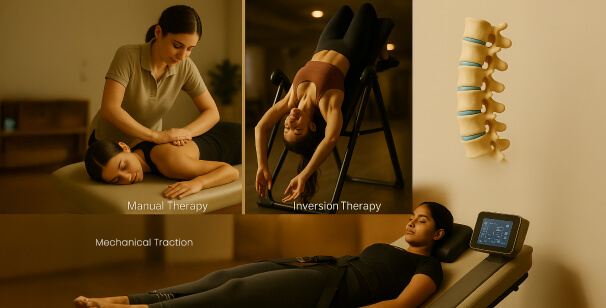
- Manual therapy, which is performed by chiropractors or physical therapists, often involves hands-on techniques to gently stretch and manipulate the spine, aiming to improve the alignment and reduce compression.
- Inversion therapy uses an inversion table to hang upside down, applying gravity-based traction along the spine. This controlled inversion helps to decompress the discs naturally.
- Mechanical spinal traction uses machines to apply a controlled stretch to the spinal column.
Spinal Elongation Exercises
1. Cat-Cow Stretch

2. Cobra Pose (Bhujangasana)

3. Child’s Pose (Balasana)

4. Hanging Bar Stretch (Passive Hang)

5. Wall Stretch (Spinal Extension on Wall)

Conclusion
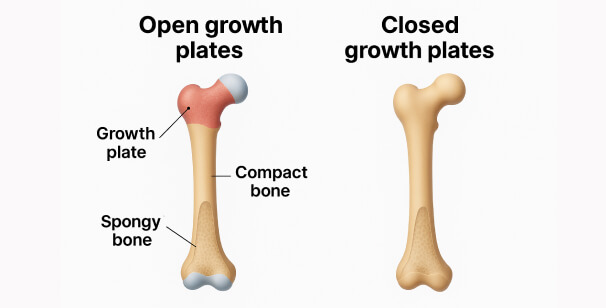
While both spinal decompression and posture correction can probably enhance your height appearance, they do not, and even cannot, lead to actual bone growth. This is because the bones in our body often stop lengthening once our growth plates close in early adulthood. Hence, such methods often work by optimizing the natural length of your spine through rehydrating discs, correcting the alignment, and then reclaiming the height you might have lost due to daily compression as well as poor habits.